Maybe Yes: A Script Font for Bold Branding
As a small business owner, you know that your brand is more than just a logo or a product. It is the feeling customers get when they see your packaging, read your social media posts, or visit your website. In a crowded market, consistency is key to building trust. One of the most impactful yet often overlooked elements of this consistency is typography. Choosing the right typeface can transform a generic design into a recognizable brand identity. This is where Maybe Yes comes in.
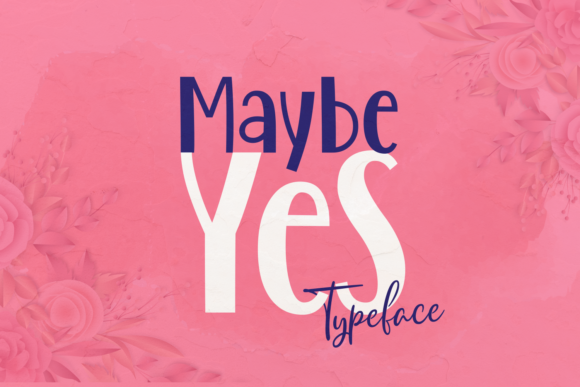
Maybe Yes is a lovely script font from the Script Amp collection, designed with a bold and charming twist. It is not just another decorative element; it is a strategic tool for entrepreneurs who want their visual presence to stand out while remaining professional. Whether you run a boutique café, sell handmade candles, or offer coaching services, this creative font can help you communicate your unique personality effectively.
Why Personality Matters in Modern Typography
In the world of digital marketing and physical retail, first impressions happen in seconds. A sterile, default font might look clean, but it rarely leaves a lasting memory. Customers connect with brands that feel human, approachable, and authentic. Maybe Yes offers exactly that blend of professionalism and warmth. Its script style mimics the flow of handwriting, which inherently feels personal and inviting. However, unlike messy or overly complex handwritten fonts, Maybe Yes maintains a structure that ensures readability and polish.
For entrepreneurs, this balance is crucial. You want your brand to feel friendly, but you also need it to look trustworthy. A font that is too casual might undermine the perceived value of your premium products. Conversely, a font that is too rigid might make your service-based business feel cold. Maybe Yes strikes a middle ground, offering a charming aesthetic that works well for both product-based and service-based businesses. It signals that you care about details without trying too hard.
Practical Applications for Your Business Touchpoints
The versatility of Maybe Yes makes it a valuable addition to your design assets. Here is how you can integrate this display font into various aspects of your business operations:
- Packaging Design and Product Labels: If you sell physical goods, your packaging is your silent salesperson. Using Maybe Yes on candle labels, skincare bottles, or bakery boxes adds a touch of elegance. For example, a handmade soap brand can use this script font for the product name on the label, creating a boutique feel that justifies a higher price point.
- Social Media Graphics: Instagram and Pinterest are highly visual platforms. When creating quotes, promotional announcements, or story highlights, Maybe Yes can serve as an eye-catching headline. Its bold strokes ensure that text remains legible even on small mobile screens, helping your posts stop the scroll.
- Logo Design and Brand Identity: For startups and solo entrepreneurs, a wordmark logo using a distinctive script font can be incredibly effective. It creates an immediate association between your name and your brand’s vibe. Maybe Yes works particularly well for beauty brands, wedding planners, and lifestyle coaches who want to project creativity and care.
- Website Banners and Headers: On your homepage, use Maybe Yes for hero section headlines or section dividers. It breaks up the monotony of standard web fonts and guides the user’s eye to important calls to action.
- Customer-Facing Materials: From thank-you cards included in shipments to menus in a café, this font adds a personal touch. A handwritten-style note on a thank-you card feels genuine, reinforcing customer loyalty.
Ensuring Readability and Professionalism
One common concern with script fonts is readability. While they are beautiful, they can sometimes be difficult to decipher, especially at smaller sizes or in low-contrast situations. Maybe Yes addresses this with its bold character shapes. The thickness of the strokes helps maintain clarity, making it suitable for various applications. However, it is still primarily a display font. This means it shines best when used for headlines, titles, and short phrases rather than long paragraphs of body text.
To maintain professionalism, always test your designs in real-world scenarios. Print a sample label at actual size to ensure the letters do not blur together. View your social media graphics on a phone to check if the text is easy to read against busy backgrounds. By prioritizing legibility, you ensure that your brand message is received clearly, enhancing the customer experience rather than hindering it.
Smart Font Pairing Strategies
Using a expressive typeface like Maybe Yes requires thoughtful pairing. Since script fonts are visually dominant, they need a supportive partner to create balance. The goal is to let Maybe Yes take center stage while the secondary font handles the informational heavy lifting.
A classic and effective approach is pairing this script font with a clean sans serif font. Sans serifs are neutral and modern, providing a stable foundation that contrasts nicely with the fluid curves of the script. For instance, if you use Maybe Yes for a headline on a flyer, use a simple sans serif for the date, time, and location details. This combination looks contemporary and organized.
Alternatively, you can pair it with a readable serif font for a more traditional or literary feel. This works well for bookstores, vintage boutiques, or artisanal food brands. The serif font adds a layer of sophistication and history, complementing the charming nature of the script. Regardless of your choice, keep the pairing simple. Using more than two font families in one design can look cluttered and unprofessional.
Testing Before Full Implementation
Before rolling out Maybe Yes across your entire brand identity, take time to experiment. Create mockups of your business cards, website headers, and product tags. See how the font interacts with your color palette and logo icon. Does it enhance the overall mood? Does it align with your target audience’s expectations?
For example, a high-tech startup might find this font too soft, whereas a floral shop would find it perfect. Understanding your niche is essential. If your customers value tradition and stability, ensure the boldness of the font conveys strength. If they value creativity and fun, highlight the charming twists in the letterforms. Testing allows you to refine your usage and ensure that every touchpoint reinforces your brand values.
Licensing and Commercial Use
Finally, always verify the licensing terms before using any premium font in commercial projects. Font licenses vary significantly. Some allow unlimited use on digital platforms but restrict physical printing, while others require separate fees for merchandise or client work. Ensure that your license for Maybe Yes covers all your intended uses, including product packaging, digital ads, templates, and printed materials. Respecting intellectual property rights protects your business from legal issues and supports the designers who create these essential tools.
By choosing a versatile and high-quality typeface like Maybe Yes, you invest in the long-term recognition of your brand. It is a small detail that makes a big difference, helping you look consistent, professional, and distinctly you.